


A Cozy Mid-January Blue Zone Stew

A Nourishing, Longevity-Inspired Winter Meal
Mid-January is a natural invitation to slow down. The holidays have passed, routines are settling, and the body often craves warmth, simplicity, and nourishment rather than restriction or extremes. In Blue Zone cultures, winter meals are built around humble ingredients prepared with care, offering steady energy, digestive support, and a sense of comfort. This cozy lentil and vegetable stew reflects that philosophy, a simple, nutrient-dense dish designed to support longevity, gut health, and metabolic balance during the quieter weeks of the season.Why Blue Zone-Inspired Meals Matter in Winter
Blue Zones are regions of the world where people consistently live longer, healthier lives. While each region has its own traditions, their diets share common principles: whole foods, legumes as a primary protein source, healthy fats, and minimal processing. During winter, these principles become especially supportive. Digestion naturally slows, inflammation can rise after holiday indulgences, and energy levels often dip with less sunlight and movement.
Warm, fiber-rich meals like stews help stabilize blood sugar, support the gut microbiome, and provide essential micronutrients that are often under-consumed during colder months.
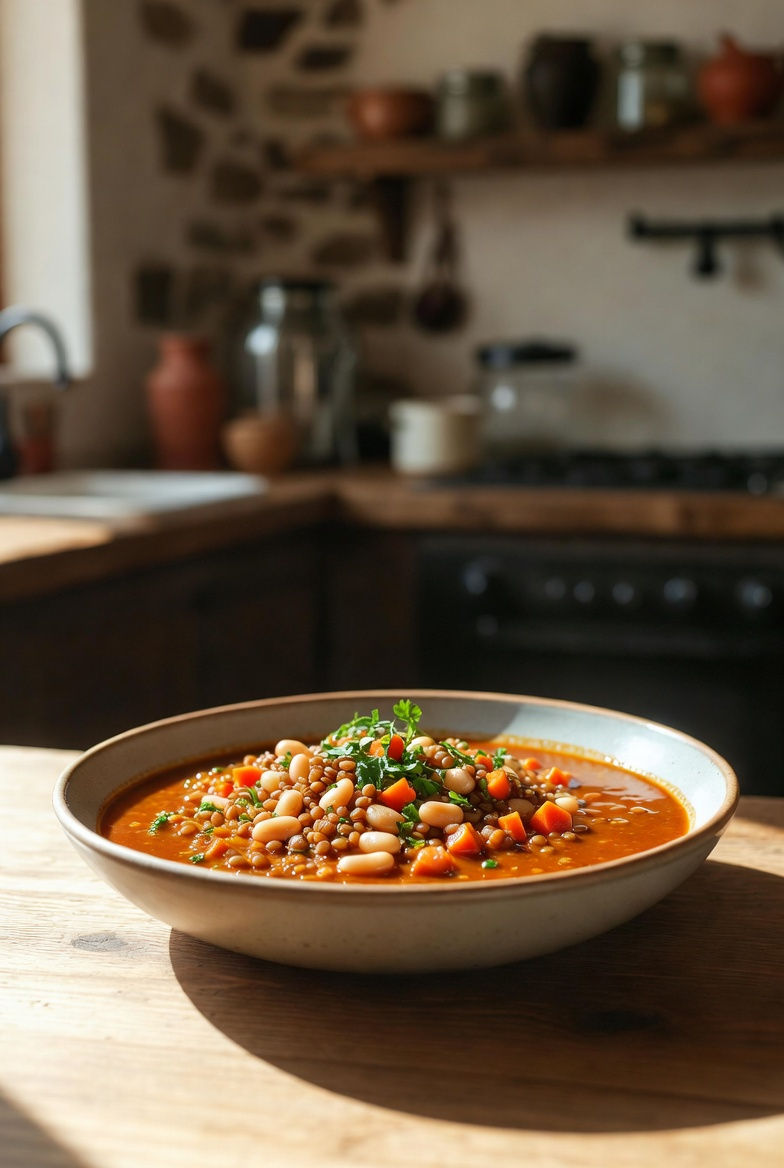
Cozy Blue Zone Lentil, White Bean & Vegetable Stew
Serves 4–6
Ingredients
1 cup dry brown or green lentils, rinsed
1 can white beans (cannellini or great northern), drained and rinsed
2 tablespoons extra-virgin olive oil, plus more to finish
1 yellow onion, diced
3 cloves garlic, minced
2 carrots, sliced
2 celery stalks, sliced
1 zucchini, chopped
1 can diced tomatoes (no added sugar)
4 cups vegetable broth (or bone broth if preferred)
1 teaspoon dried oregano
1 teaspoon dried thyme
1 bay leaf
Sea salt and black pepper to taste
1–2 cups chopped Swiss chard
Optional
A parmesan rind simmered with the stew for added depth
Instructions
Heat olive oil in a large pot over medium heat.
Add onion, carrot, and celery and sauté for 5–7 minutes until softened.
Stir in garlic, oregano, and thyme and cook briefly until fragrant.
Add lentils, white beans, tomatoes, broth, bay leaf, and a pinch of salt.
Bring to a gentle boil, then reduce to a simmer. Cover and cook for 30–35 minutes until lentils are tender.
Add Swiss chard during the final 5 minutes, stirring until just wilted.
Remove bay leaf, adjust seasoning, and finish with a generous drizzle of olive oil.
The Health Benefits
A Nourishing Carbohydrate Source
This stew is rich in carbohydrates, but those carbohydrates come from lentils, white beans, and vegetables rather than refined grains. When I eat carbohydrates, I personally prefer legumes over bread, pasta, or rice. Legumes provide carbohydrates packaged with fiber, protein, and minerals, which slows digestion and supports steadier blood sugar and energy levels.
Supports Longevity
Legumes are a cornerstone of Blue Zone diets and are consistently associated with improved lifespan and reduced risk of chronic disease. Regular legume intake has been linked to improved cardiovascular health, metabolic resilience, and lower overall mortality.
Stabilizes Blood Sugar
The combination of soluble fiber from legumes, healthy fats from olive oil, and low-glycemic vegetables helps slow glucose absorption. This supports sustained energy, appetite regulation, and metabolic balance.
Nourishes the Gut Microbiome
Lentils, beans, onions, garlic, and Swiss chard act as prebiotic foods that feed beneficial gut bacteria. These bacteria produce short-chain fatty acids that support immune function, gut integrity, and insulin sensitivity.
Naturally Anti-Inflammatory
Extra-virgin olive oil contains oleocanthal, a compound shown to support inflammatory balance. Combined with herbs and vegetables, this meal supports joint health, cardiovascular function, and recovery, especially following periods of increased sugar or alcohol intake.
Rich in Winter Micronutrients
This stew provides magnesium, potassium, iron, folate, vitamin K, and carotenoids, all of which support nervous system health, blood pressure regulation, cellular repair, and detoxification pathways.
Why I Choose Legumes Over Grains
When I include carbohydrates in my meals, I tend to choose legumes like lentils and white beans rather than bread, pasta, or rice. While all carbohydrates can have a place, legumes offer a very different nutritional profile that often works better for blood sugar balance, digestion, and long-term metabolic health.
Legumes contain significantly more fiber and protein per serving than most refined grains, which slows digestion and reduces rapid glucose spikes. They are also rich in resistant starch, a form of carbohydrate that feeds beneficial gut bacteria and has been shown to improve insulin sensitivity.
Another key difference is nutrient density. Lentils and beans naturally provide magnesium, potassium, iron, folate, and polyphenols alongside their carbohydrates. In contrast, refined grains are often stripped of these nutrients during processing and later enriched rather than consumed in their whole-food form.
In Blue Zone populations, legumes are eaten daily and consistently associated with longevity, while refined grains are consumed sparingly. For my own body, and for many clients I work with, legumes tend to feel more grounding, satisfying, and supportive than grain-based carbohydrates, particularly during winter when digestion is naturally slower.
This approach is not about eliminating grains entirely, but about choosing carbohydrates that come packaged with fiber, minerals, and metabolic benefits rather than those that place a greater burden on blood sugar regulation.
Estimated Macros (Per Serving)
Based on 1 of 5 servings, prepared as written
Calories: ~360–390 kcal
Protein: ~17–19 g
Carbohydrates: ~52–56 g
Fiber: ~16–18 g
Fat: ~12–14 g
How to Read These Macros
This is a carbohydrate-forward meal, but the carbohydrates come from legumes and vegetables rather than refined grains. The high fiber content significantly lowers the glycemic impact, supporting steady energy and metabolic health. Protein is moderate and spread naturally throughout the meal, aligning with Blue Zone dietary patterns.
References
Willett, W. et al. Food in the Anthropocene: the EAT–Lancet Commission on healthy diets from sustainable food systems. The Lancet, 2019.
Jenkins, D.J.A. et al. Effect of legumes as part of a low glycemic index diet on glycemic control and cardiovascular risk factors. Archives of Internal Medicine, 2012.
Fernández-Ruiz, V. et al. Health benefits of legumes. Nutrients, 2019.
Slavin, J. Dietary fiber and body weight. Nutrition, 2005.
Dehghan, M. et al. Associations of fats and carbohydrate intake with cardiovascular disease and mortality. The Lancet, 2017.
Buettner, D. The Blue Zones Kitchen. National Geographic, 2019.
Warming Regards, (its snowing today in North Carolina)
Amanda
Ready for Support Beyond the Recipe?
If you’re looking for guidance that goes beyond individual meals and helps you build a way of eating that supports your digestion, hormones, energy, and long-term health, I offer personalized, evidence-based health coaching through Nourished Content. My approach focuses on sustainable nutrition, blood sugar balance, and real-life application rather than extremes or quick fixes. You can learn more about my coaching services and book a complimentary consultation at www.nourishedcontent.com.


Comments